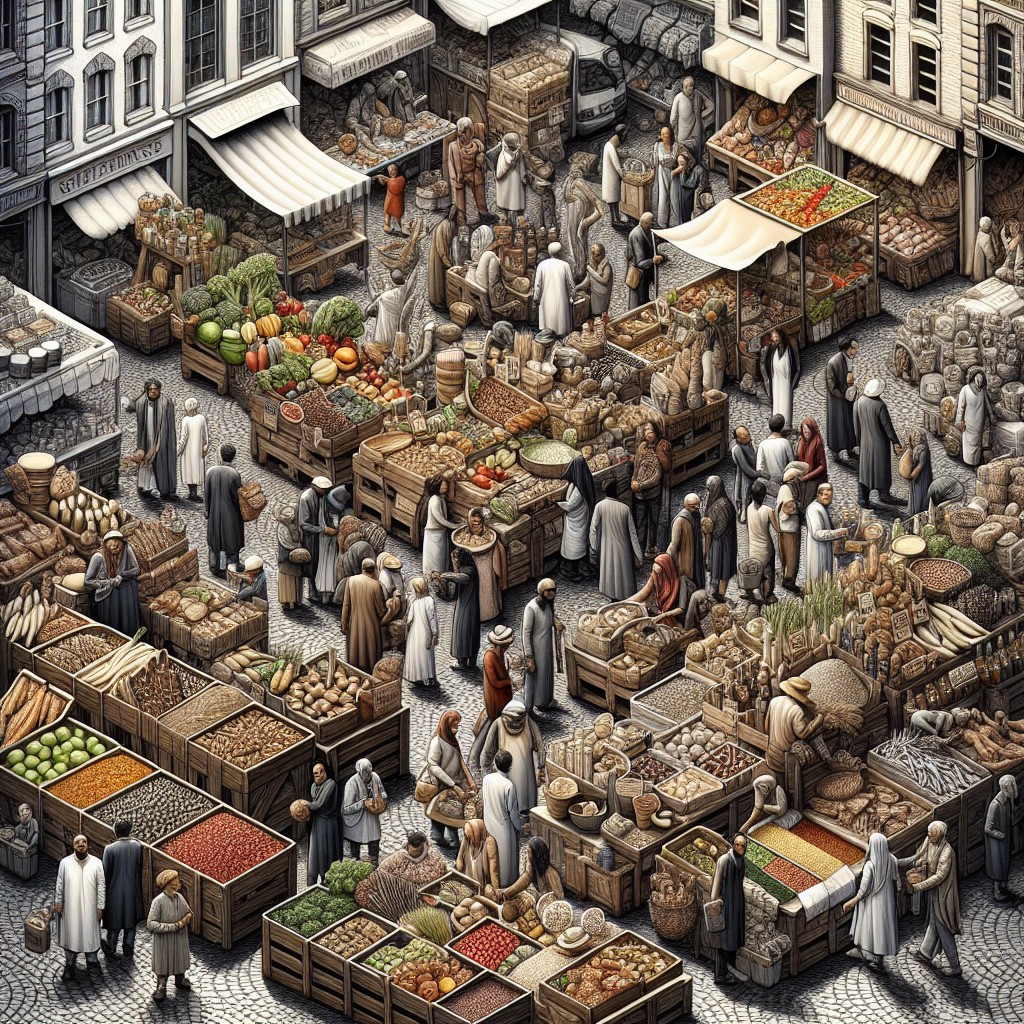
Global food supply chains are facing unprecedented pressures that have resulted in significant price increases across various regions worldwide. Understanding the factors contributing to these price spikes is crucial for policymakers and stakeholders aiming to enhance food security and ensure stable access to essential commodities.
Impact of Climate Change on Agricultural Production
Climate change remains one of the dominant drivers affecting food production globally. Erratic weather patterns, prolonged droughts, and frequent flooding disrupt crop yields and reduce agricultural output, which in turn drives prices higher. Regions reliant on rain-fed agriculture are particularly vulnerable, as variability in precipitation exacerbates risks and challenges planning for farmers. These climate-induced stresses have a direct connection to food security, as diminished supplies translate into elevated prices and increased food scarcity.
Supply Chain Disruptions and Logistics Challenges
The COVID-19 pandemic revealed weaknesses in global supply chains, and many of these challenges persist today. Transportation bottlenecks, labor shortages, and rising fuel costs are hindering the smooth flow of food products from producers to markets. Ports have faced congestion, and container shortages have elevated shipping expenses. These disruptions not only increase operational costs but also lengthen delivery times, contributing to regional price disparities and making it difficult to maintain stable food supplies.
Geopolitical Tensions and Trade Restrictions
Ongoing geopolitical conflicts and trade disputes have also played a significant role in driving up food prices. Export restrictions on staples like wheat, rice, and maize, imposed by some food-producing countries to secure domestic availability, reduce global supplies and push prices upward. Additionally, sanctions and tariff barriers affect the cost-efficiency of food trade and the availability of agricultural inputs such as fertilizers, which are essential for maintaining crop productivity.
Inflation and Rising Input Costs
Inflationary pressures in many economies have increased the cost of agricultural inputs including seeds, fertilizers, and energy. The surge in fertilizer prices, linked to natural gas costs and supply constraints, has directly impacted farmers’ ability to produce at lower costs. Consequently, these increased expenses are passed on through the supply chain, culminating in higher retail food prices. Sustained inflation poses challenges to achieving food security, particularly for low-income populations vulnerable to price volatility.
Demand Shifts and Changing Consumption Patterns
Rapid demographic changes, urbanization, and an expanding middle class in developing countries have altered food consumption patterns, creating increased demand for processed and higher-value food products. This shift puts additional pressure on food systems to diversify production and meet new consumer preferences. Combined with supply constraints, growing demand intensifies price pressures, affecting affordability and access to essential nutrients across various populations.
Conclusion: Navigating Towards Stable Food Markets
The convergence of climate stress, supply chain challenges, geopolitical issues, inflation, and shifting demand elements has created a complex landscape driving food price spikes globally. Addressing these multifaceted pressures requires coordinated international strategies that strengthen agricultural resilience, enhance supply chain efficiency, and foster equitable trade policies. Continued monitoring and adaptive policies will be key to mitigating risks and preserving food security in the coming years.
Frequently Asked Questions about food security
What is the primary cause of recent food price spikes?
Recent food price spikes are primarily caused by a combination of factors including climate change impacting crop yields, supply chain disruptions, and increased input costs such as fertilizers and fuel.
How do supply chain disruptions affect food security?
Supply chain disruptions delay the delivery of food products and increase costs, limiting access to affordable food and thereby undermining food security at regional and global levels.
Can geopolitical tensions impact food security?
Yes, geopolitical tensions can lead to trade restrictions and export bans on key food commodities, reducing global availability and contributing to higher prices that threaten food security.
What role does inflation play in food security?
Inflation raises the cost of agricultural inputs and transportation, which in turn increases food prices, making it harder for vulnerable populations to afford sufficient and nutritious food.
Why is understanding food security important for policymakers?
Understanding food security enables policymakers to design effective interventions that stabilize food supplies, control price volatility, and ensure equitable access, thereby supporting public health and economic stability.