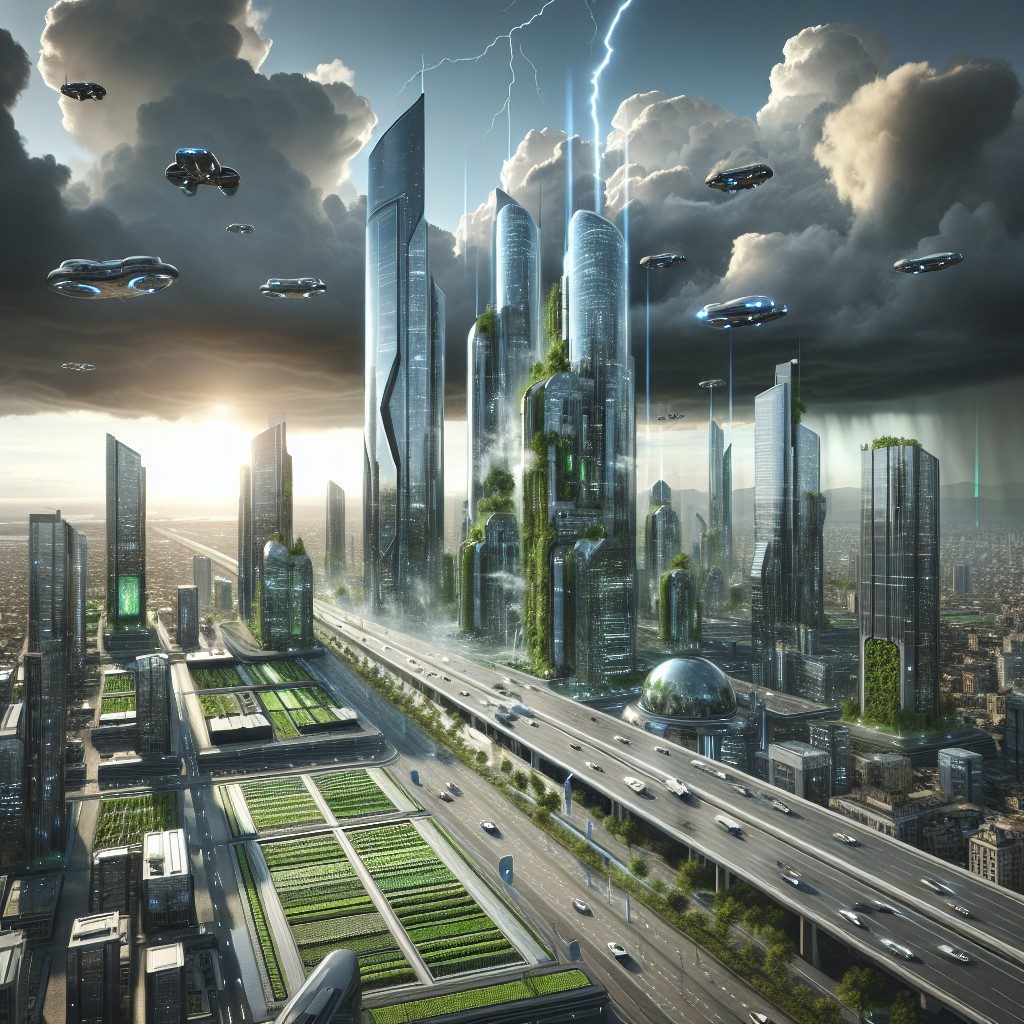
As global temperatures continue to rise, climate scientists are analyzing forecasted weather patterns for the year 2026. This Climate Analysis unveils trends and phenomena that could have significant implications for ecosystems, economies, and public health. Rapid changes are indicated, prompting urgent discussions and preparations to mitigate negative impacts.
Increased Frequency of Extreme Weather Events
One of the most striking predictions in the climate analysis reports is a marked increase in extreme weather events. Hurricanes, droughts, and floods are expected to become more frequent and intense. Researchers attribute this to ongoing warming trends and alterations in atmospheric conditions, which are amplifying weather volatility. Coastal areas, prime agricultural zones, and urban centers face the greatest risks as these patterns unfold.
Shifting Ecosystems and Biodiversity Loss
Forecasts reveal that by 2026, many ecosystems will experience significant shifts due to changing weather patterns. Forests, grasslands, and aquatic environments are likely to suffer as species struggle to adapt to rapid climate changes. This phenomenon poses a threat to biodiversity, as many species may face extinction if their survival strategies do not coincide with the altered ecosystems. Conservation efforts will be crucial in mitigating these impacts and preserving wildlife.
Socioeconomic Implications of Changing Climate
The socioeconomic ramifications of the predicted weather patterns raise considerable concern. Economies that rely heavily on agriculture, fishing, and tourism may witness disruptions that could lead to food insecurity and loss of income. Communities in vulnerable regions will need to adapt, requiring investments in infrastructure and resilience strategies. The socio-political landscape may also evolve as populations migrate to escape the most severe impacts of climate change.
Conclusion: Preparing for an Uncertain Future
As experts continue to conduct their climate analysis and refine their predictions, the urgency for mitigation and adaptation measures grows. Forecasts for 2026 reflect a reality that demands a collaborative response from governments, organizations, and individuals alike. Understanding these trends can empower stakeholders to make informed decisions that safeguard both people and the planet from escalating climate challenges.
Frequently Asked Questions about Climate Analysis
What is a Climate Analysis?
A climate analysis is a comprehensive evaluation of climatic data and trends, helping to forecast future weather patterns and their potential impacts.
Why is the 2026 Climate Analysis significant?
The 2026 climate analysis is significant because it provides vital information regarding expected changes in weather patterns and their implications for ecosystems and economies.
How can the public help address issues raised in the Climate Analysis?
The public can contribute by supporting sustainable practices, advocating for climate policies, and participating in community resilience programs highlighted in the climate analysis.
What are the key themes in the latest Climate Analysis reports?
The key themes in the latest climate analysis reports include increased extreme weather events, biodiversity loss, and socioeconomic impacts associated with climate change.
Where can I find more information on Climate Analysis?
More information on climate analysis can be found on authoritative websites such as climate.gov or the National Oceanic and Atmospheric Administration, which provide essential data and findings.