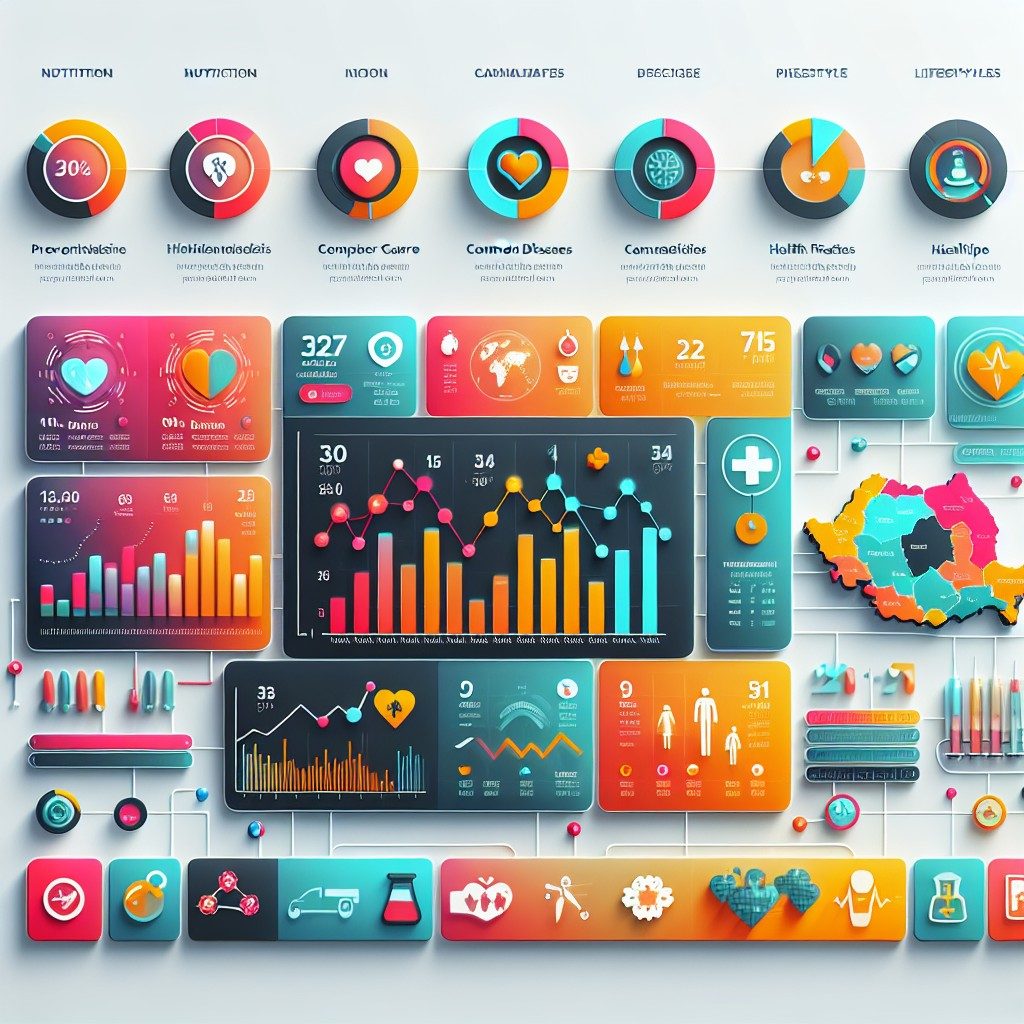
A groundbreaking study released this week has unveiled new health data that could redefine the way public health officials approach healthcare strategies in the coming years. The report, conducted by a consortium of leading medical institutions, highlights unexpected trends in population health and potential challenges that lie ahead as we approach the year 2026.
Key Findings of the Study
The study analyzed health data from over 200,000 individuals across various demographics, offering a comprehensive overview of emerging health trends. One of the most notable findings is the projected increase in chronic health conditions, including diabetes and cardiovascular diseases, anticipated to rise by 35% by 2026. Such statistics underscore an urgent need for preventive care initiatives and policy reforms to ensure adequate resources are allocated to manage these preventable diseases.
Impact of Lifestyle Changes on Future Health Data
Experts believe that lifestyle changes driven by technology and social shifts will play a significant role in shaping future health data. The rise in sedentary behaviors due to increased screen time is already noticeable, particularly among younger populations. The study suggests that unless proactive measures, such as promoting physical activity and healthy eating, are implemented, we may face escalating healthcare costs and burdened health systems positioned to tackle these growing health issues.
The Role of Technology in Managing Health Data
Another critical aspect highlighted by the study is the increasing importance of technological advancements in healthcare. The integration of digital health solutions, including telemedicine and wearable devices, significantly influences how patients manage their health. According to the findings, almost 70% of participants stated that integrating health data through technology helped them make more informed decisions regarding their healthcare.
As we move towards 2026, the continuing evolution of health data, driven by technological solutions, will likely improve patient outcomes significantly. However, the potential for data privacy concerns remains a critical issue that must be addressed to maintain public trust. To further understand the implications of the latest health data analysis, healthcare providers will need to adapt quickly to these findings, ensuring alignment with changes in patients’ preferences and technological trends.
Frequently Asked Questions about Health Data
What is health data?
Health data refers to the numerical or descriptive information about a person’s health status, medical history, and healthcare activities, which are essential for informed decision-making in healthcare.
How is health data collected?
Health data is typically collected through various sources, including electronic health records, surveys, medical research, and health monitoring tools. This data is crucial for analyzing health trends and outcomes.
Why is health data important?
Health data is essential because it informs public health policies, helps healthcare providers deliver better care, and enables researchers to understand health conditions and develop effective interventions.
How can we ensure the privacy of health data?
To ensure the privacy of health data, stringent security measures should be implemented, including encryption, access controls, and compliance with regulations such as HIPAA, which safeguard the confidentiality of health information.
What role do patients play in health data?
Patients play a crucial role in health data by providing accurate information about their health and participating in health monitoring. Their involvement is vital for improving health outcomes and personalizing care. For more insights on health data, you can visit this source.