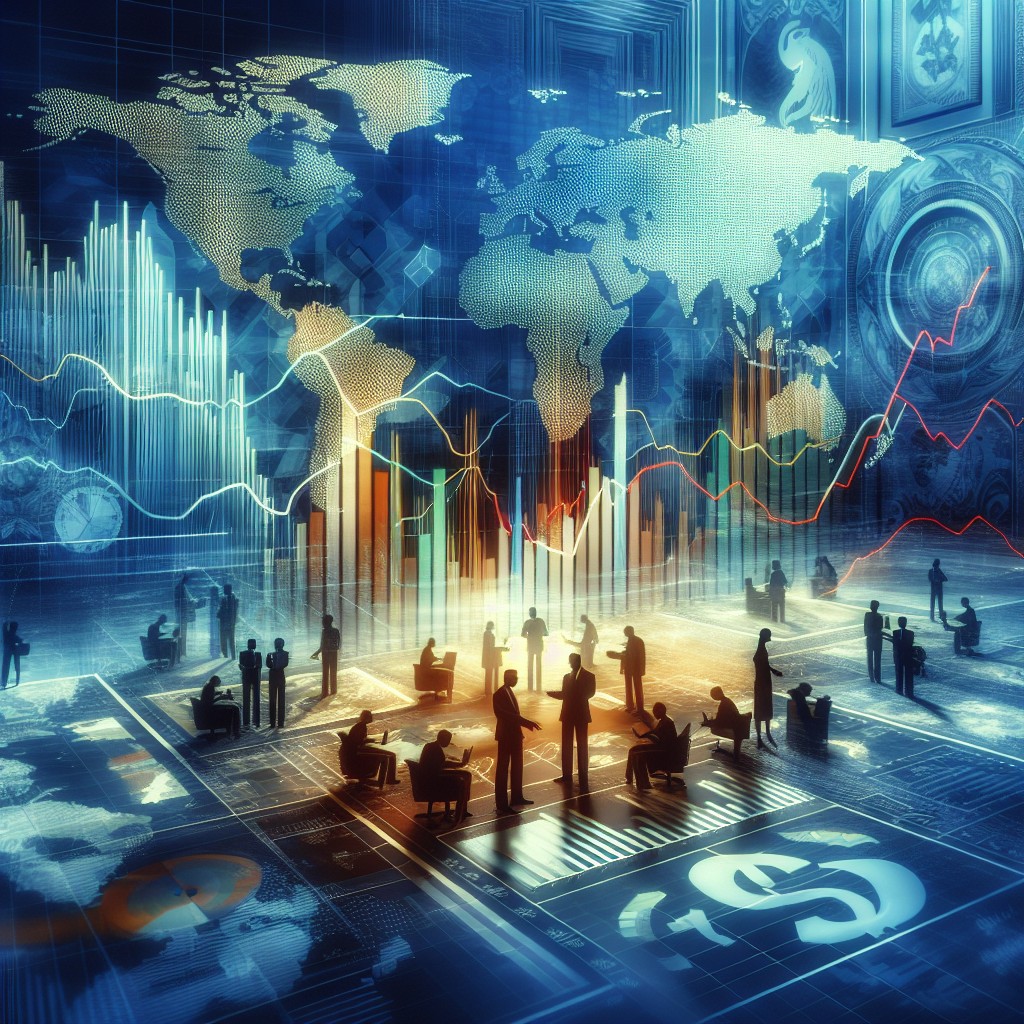
As we progress into the next quarter of 2023, economists and analysts are closely monitoring several crucial financial indicators that could shape the global economic landscape. These metrics will provide insights into potential growth, inflationary pressures, and spending trends, all critical for businesses and investors. This Economic Alert aims to highlight key financial data points that are anticipated to influence economic performance in the coming months.
Inflation Trends and Projections
One of the most significant economic indicators for the upcoming quarter is inflation. Following the surge in prices throughout 2022, inflation showed some signs of stabilization but remains higher than central banks’ targets in many regions. The Consumer Price Index (CPI) has been a focal point for policymakers, indicating how household spending power is being squeezed. Analysts predict that inflation may see a gradual decline, yet various factors, such as rising energy costs and supply chain disruptions, could hinder this progress. Therefore, tracking inflation trends is vital for understanding consumer behavior and business investment strategies as we head into the next quarter, warranting close attention for this Economic Alert.
Labor Market Dynamics
The labor market remains another critical data point. Employment rates have shown resilience, but signs of a cooling labor market could emerge. With companies reassessing their workforce needs due to economic pressures, job creation may slow. Analysts will be observing unemployment rates, wage growth, and industry-specific hiring trends. A robust labor market can lead to increased consumer spending, which is essential for economic growth, while a slowdown may signal challenges ahead. With these factors in mind, understanding the labor market dynamics will be pivotal for businesses and economists striving to navigate the next quarter effectively.
Global Economic Forecasts
Internationally, economic forecasts for the upcoming quarter are essential in understanding the interconnected nature of today’s markets. Various institutions have projected varying growth rates for the global economy, with some regions anticipated to perform better than others. Trade relationships, geopolitical developments, and monetary policies will play crucial roles in shaping these forecasts. The International Monetary Fund (IMF) and the World Bank are releasing their assessments shortly, providing updated predictions that will serve as foundational elements for this Economic Alert. Investors and policymakers alike will need to pay attention to shifts in these forecasts, as they may influence capital flows and investment strategies across sectors.
Conclusion
In conclusion, the upcoming quarter presents a mixed bag of economic indicators that will require careful monitoring. Inflation trends will need to be assessed alongside labor market dynamics and global economic forecasts for a comprehensive understanding of potential challenges and opportunities. As analysts and businesses prepare for these changes, an informed approach to economic planning will be paramount. The Economic Alert serves as a reminder that staying updated on these data points is crucial for navigating the evolving economic landscape.
Frequently Asked Questions about Economic Alert
What is an Economic Alert?
An Economic Alert is a notification regarding significant financial data points and trends that may impact the economy.
How often are Economic Alerts issued?
Economic Alerts are typically issued quarterly or during significant market events to keep stakeholders informed.
Why are Economic Alerts important?
Economic Alerts provide essential information that helps investors and businesses make informed decisions in a fluctuating economic environment.
What types of data are included in an Economic Alert?
Economic Alerts usually include consumer inflation rates, employment statistics, and global economic forecasts.
Where can I find the latest Economic Alerts?
The latest Economic Alerts can be found on financial news websites and international organizations such as the IMF and World Bank.